
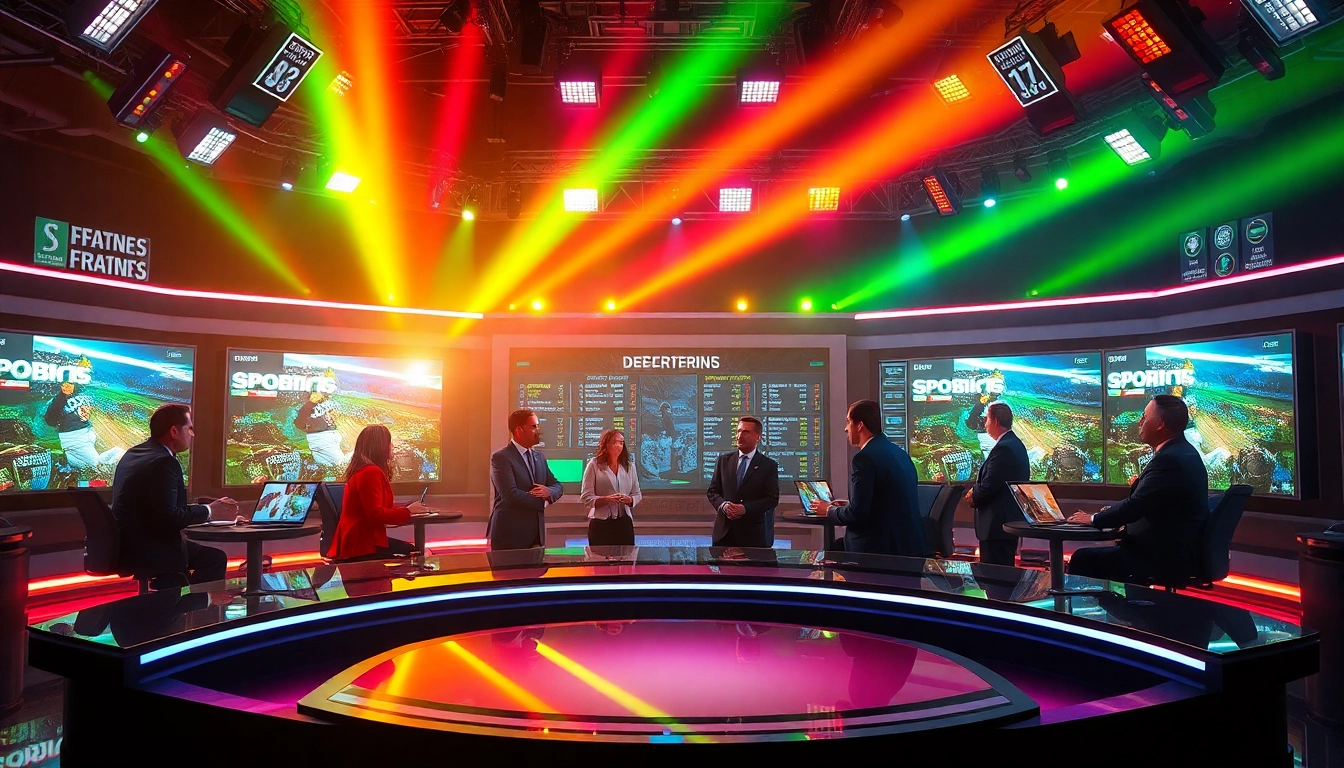
Understanding the Essentials of Sports Broadcasting
Definition and Importance of Sports Broadcasting
Sports broadcasting is the process through which live events, news, and other related content are delivered to audiences via various media channels. This form of communication is critical because it connects fans with their favorite sports and athletes, fostering a sense of community and engagement. Successful sports broadcasting not only informs viewers about the events, scores, and statistics but also enhances their overall fan experience through commentary, analysis, and storytelling. With the emergence of the digital age, Sports Broadcasting has evolved dramatically, incorporating innovative technologies and platforms that cater to diverse audiences.
Key Roles in the Sports Broadcasting Industry
Managing a successful sports broadcast requires a diverse team of professionals who play distinct roles. Key players include:
- Sports Reporters: Responsible for field reporting, they gather news, conduct interviews, and provide live updates from the venue.
- Anchors: These on-screen personalities present the news, analyze stories, and engage with viewers, setting the tone for the broadcast.
- Producers: They oversee the entire production, making decisions on content, visuals, and timing to ensure a smooth broadcast.
- Technical Staff: This group manages the equipment and technology required for broadcasting, ensuring everything operates flawlessly.
Overview of Broadcast Media Types
Sports broadcasting can occur across a variety of media platforms. The primary types include:
- Television: Traditional broadcasts remain a popular way for viewers to watch live sports events due to their reach and accessibility.
- Radio: Many fans still tune into radio stations for live commentary and updates, particularly in areas with limited television access.
- Online Streaming: The rise of digital platforms allows for streaming games live on computers and mobile devices.
- Social Media: Platforms like Twitter, Instagram, and Facebook offer real-time updates, highlights, and fan interactions, enhancing the overall viewer experience.
Tools and Technologies in Sports Broadcasting
Essential Equipment for Sports Broadcasting
High-quality equipment is fundamental in delivering a professional sports broadcast. Key equipment includes:
- Cameras: Multiple camera angles are essential to capture the action, allowing for dynamic visual storytelling.
- Microphones: High-quality mics are used both on-field and for commentary to ensure clear audio transmission.
- Switchers and Mixers: These devices help blend multiple video feeds, ensuring a seamless viewing experience.
- Satellite and Streaming Equipment: Technology that enables the transmission of live broadcasts via satellite or through the internet is critical for reaching global audiences.
Software Solutions Enhancing Delivery
In addition to hardware, a range of software solutions optimizes the broadcasting process. These include:
- Graphics Software: Used to create compelling visuals, score graphics, and player stats that keep viewers informed.
- Editing Software: For highlights and pre-recorded segments, post-production tools are crucial for delivering a polished final product.
- Content Management Systems: These systems help broadcasters manage the scheduling and deployment of content across various platforms efficiently.
Innovative Technologies Shaping the Future
The future of sports broadcasting is being transformed by several cutting-edge technologies:
- Virtual Reality (VR): Offers immersive experiences for fans, allowing them to feel as if they are part of the event.
- Augmented Reality (AR): Enhances broadcasts with interactive elements, such as player stats overlaid on the screen during gameplay.
- Artificial Intelligence (AI): Used in analyzing games, predicting outcomes, and even automating some broadcasting aspects.
Crafting Engaging Content for Sports Audiences
Identifying Audience Preferences
Understanding the target audience is crucial for successful sports broadcasting. This involves:
- Researching demographics to know their interests, viewing habits, and preferred platforms.
- Engaging with fans on social media to gather insights and feedback on what content resonates with them.
- Monitoring trends in sports viewership and consumption to adapt strategies accordingly.
Creating Compelling Storylines
Successful broadcasts revolve around storytelling. Creating compelling narratives entails:
- Highlighting players' journeys and backgrounds to establish emotional connections with viewers.
- Contextualizing games within the seasons’ larger narrative arc to enhance viewer investment.
- Incorporating behind-the-scenes content that adds depth to the broadcast.
Utilizing Visuals to Enhance Viewer Experience
Visual elements play a critical role in broadcasting. Enhancements can include:
- Using real-time graphics to convey statistics and player performance dynamically.
- Incorporating replays and slow-motion captures to emphasize key moments.
- Engaging graphics and animation during transitions to maintain viewer interest.
Best Practices in Sports Broadcasting
Effective Communication Techniques
Clear communication is vital in sports broadcasting. Best practices include:
- Using simple, relatable language that avoids jargon or overly complex phrases.
- Engaging viewers through questions and commentary that make them feel involved.
- Preparing thoroughly to ensure all information shared is accurate and relevant.
Challenges and Solutions in Live Broadcasting
Live broadcasting poses several challenges, many of which can be mitigated through preparation:
- Time Management: Challenges in timing can be addressed by having a well-rehearsed rundown that accounts for unexpected delays.
- Technical Issues: Ensuring backup systems and equipment are ready can minimize impact on broadcasts.
- Maintaining Viewer Engagement: Interactive segments, social media polls, and timely commentary can keep audiences invested.
Building a Brand as a Sports Broadcaster
The importance of personal branding cannot be overstated for sports broadcasters. Effective strategies involve:
- Consistent messaging that aligns with personal values and audience interests.
- Leveraging social media to share insights, commentary, and engage with fans directly.
- Collaborating with other media professionals to expand reach and credibility.
Measuring Success in Sports Broadcasting
Key Metrics for Evaluating Performance
To gauge the effectiveness of sports broadcasts, several metrics should be monitored:
- Audience Ratings: Measuring the number of viewers and their demographics provides insight into the broadcast's reach.
- Engagement Levels: Interactions on social media and viewer feedback can indicate how well content resonates with audiences.
- Revenue Generated: Advertising revenue and subscription metrics can highlight financial success.
Harnessing Feedback for Continuous Improvement
Soliciting and analyzing audience feedback is critical for growth. Strategies include:
- Conducting surveys to gather viewer opinions about broadcast quality and content.
- Utilizing social media analytics to measure engagement and viewer sentiment.
- Implementing suggestions when feasible to show audiences their input is valued.
Trends Shaping the Future of Sports Broadcasting
Emerging trends are continuously reshaping how sports broadcasting operates:
- Streaming Dominance: With the rise in internet access, streaming is likely to surpass traditional cable broadcasts.
- Globalization: International partnerships and broadcasts are expanding audiences beyond geographic limitations.
- Personalization: Tailoring content to specific viewer preferences will likely become a standard approach.
FAQs about Sports Broadcasting
What is the main goal of sports broadcasting?
Sports broadcasting aims to deliver live sports events and engage fans through commentary and analysis.
What roles are crucial in a sports broadcasting team?
Key roles include sports reporters, anchors, producers, and technical staff, each contributing to the broadcast.
How do technology and innovation impact sports broadcasting?
Technological advancements enhance broadcast quality and viewer interaction, shaping modern sports media.
What are the common challenges faced in sports broadcasting?
Challenges include managing live events, ensuring accurate information, and maintaining viewer engagement.
How is the success of a sports broadcast measured?
Success is measured by audience ratings, viewer engagement, and the effectiveness of communication and branding.